
Club author
Clubs · Nov 18, 2024 · 4 min read
Save
Share
Keep reading
authenticated by

Clubs · Nov 18, 2024 · 4 min read
Save
Share
Keep reading
iGuide Stories
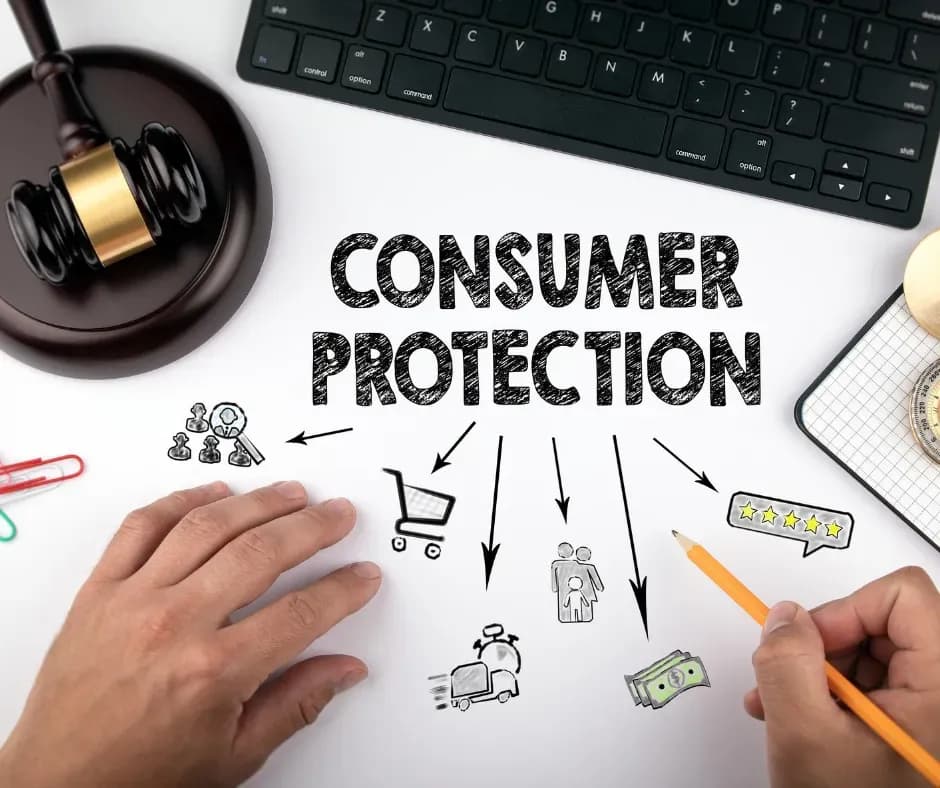
Vulnerable consumers require special protection in commercial transactions. Vietnam's state policies aim to protect the rights of this consumer group through specific legal regulations. This article will help you understand these policies and how they ensure the rights of vulnerable consumers.
According to the provisions of Article 8 of the Law on protecting consumer rights on insurance Protect the rights of vulnerable consumers specifically as follows:
1. Vulnerable consumers are consumers who are likely to suffer many adverse impacts on access to information, health, property, and dispute resolution.At the time of purchase or use of products, goods or services, including:
a) Elderly people according to the provisions of law on the elderly;
b) People with disabilities according to the provisions of law on people with disabilities;
c) Children according to the provisions of the law on children;
d) Ethnic minorities; people living in ethnic minority and mountainous areas, islands, areas with difficult socio-economic conditions, areas with extremely difficult socio-economic conditions according to the provisions of law;
d) Women who are pregnant or raising children under 36 months old;
e) People with serious illnesses as prescribed by law;
g) Poor household members as prescribed by law.
2. Protecting the rights of vulnerable consumers is carried out as follows:
a) Vulnerable consumers are guaranteed consumer rights according to the provisions of this Law and rights and priority policies according to other relevant laws;
b) Business organizations and individuals take the initiative and are solely responsible for organizing the implementation of provisions in Clause 3 of this Article;
c) When a vulnerable consumer requests protection with evidence and documents proving that he or she is a vulnerable consumer and that his or her rights have been violated, an organization or individual Businesses must prioritize receiving, processing and not transferring consumer requests to a third party for resolution, unless that third party has related obligations. In case of refusing to resolve a vulnerable consumer's request, the business organization or individual must respond in writing, clearly stating the legal basis and inconsistency with the stated policy content. announced according to the provisions of Clause 3 of this Article;
d) Business organizations and individuals must compensate vulnerable consumers for damages according to civil law provisions in case of delay, refusal of priority or refusal to receive and process requests. of consumers according to the provisions of Point c of this Clause;
d) State management agencies in charge of protecting consumer rights, socio-political organizations, and social organizations ensure priority in receiving and processing requests from vulnerable consumers and providing guidance. Lead vulnerable consumers to provide evidence and documents that their rights have been violated;
e) State management agencies in charge of protecting consumer rights, socio-political organizations, and social organizations are responsible for guiding, inspecting, supervising, and handling violations against organizations, business individuals in the process of organizing and implementing the responsibilities specified in Clause 3 of this Article in accordance with their authority according to the provisions of law.
3. When dealing with vulnerable consumers, business organizations and individuals have the following responsibilities:
a) Ensuring the exercise of the rights of vulnerable consumers in the process of buying and selling products, goods, and providing services according to the provisions of law;
b) Apply mechanisms to resolve complaints and disputes according to the provisions of law suitable for each vulnerable consumer;
c) Do not refuse to resolve requests for protection of vulnerable consumers specified in Point c, Clause 2 of this Article due to differences in language, writing, customs and practices;
d) Prevent stigma, discrimination, and taking advantage of vulnerable factors to violate the legitimate rights and interests of consumers during transactions;
d) Develop and promulgate orders, procedures, methods or measures suitable for each vulnerable consumer to ensure the right to complain, request dispute resolution and other rights of consumers. vulnerable consumption;
e) Develop, update, and disclose to vulnerable consumers the contents specified in this Clause in the form of posting at headquarters, business locations or posting on electronic information pages, sections application software (if any) and training for its employees on those contents.
The responsibilities specified in this point are not required to apply to individuals who conduct independent and regular commercial activities and are not required to register their business; small and micro enterprises as prescribed by law, except in cases where such enterprises carry out transactions specified in Chapter III of this Law;
g) Other responsibilities according to the provisions of this Law and other relevant laws.
Log in to leave a comment. Log in
Be the first to comment.
Curate
Sign in to curate
React to this story


