
Club author
Clubs · Dec 18, 2024 · 4 min read
Save
Share
Keep reading
authenticated by

Clubs · Dec 18, 2024 · 4 min read
Save
Share
Keep reading
iGuide Stories
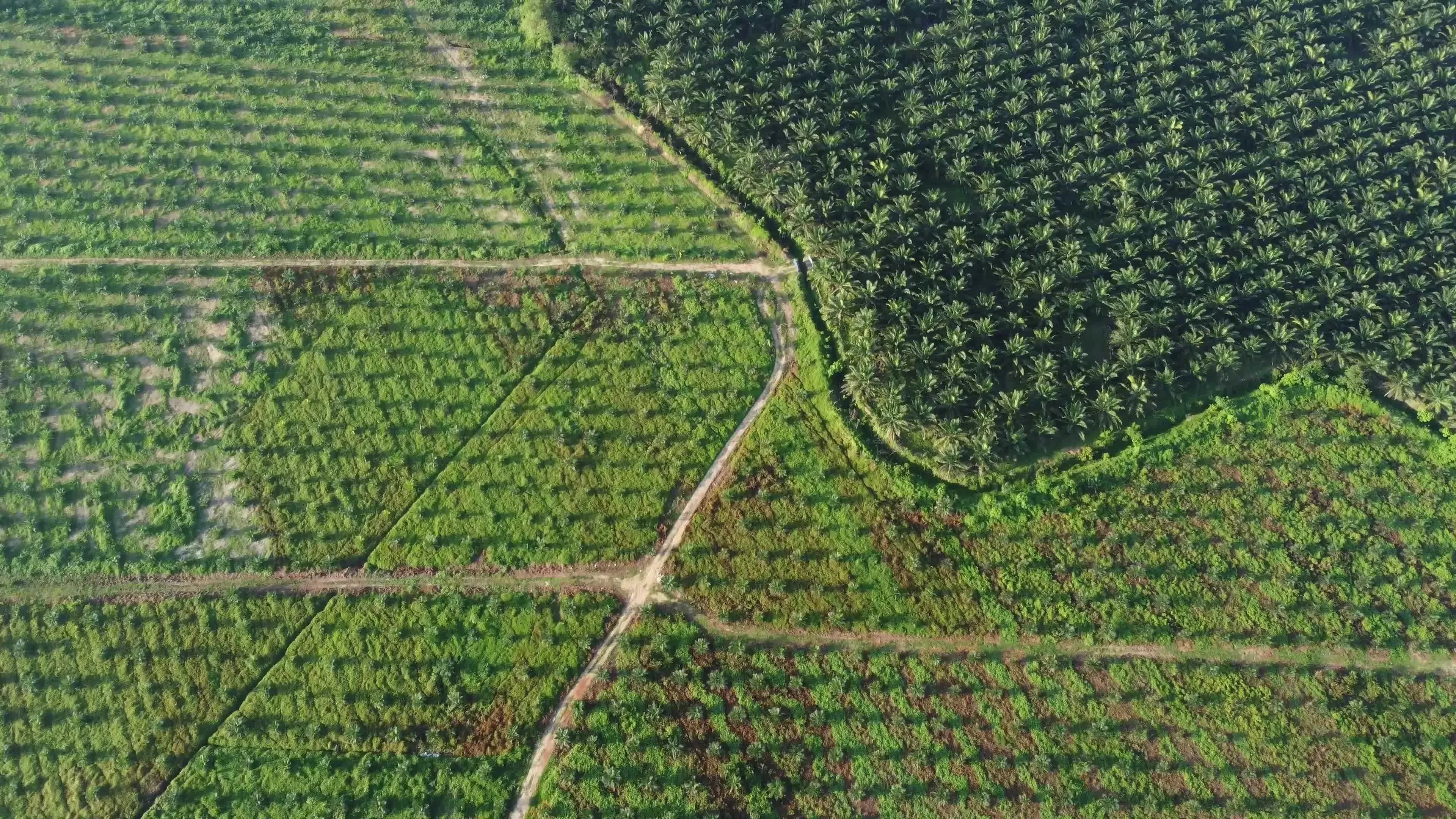
This article will explore sustainable land use management solutions in Vietnam, especially in the context of rapidly changing climate. These solutions will not only help protect the environment but also ensure sustainable economic development for future generations.
In Vietnam, the most obvious manifestations of climate change such as increasing average temperature, rising sea levels, salinity intrusion, drought, storms, floods, landslides, etc. have significantly changed the area, land use forms as well as land management orientation in many regions and provinces across the country. According to Dr. Nguyen Thi Hue, one of the causes of climate change comes from human exploitation activities, especially in the industrial era, aimed at developing the country's socio-economy.
Specifically, the use of fossil fuels (coal, oil, gas) accounts for more than 75% of global greenhouse gas emissions and nearly 90% of total CO2 emissions, through activities: Conversion of land and water use purposes; economic development activities including: Deforestation, production of goods, industry, electricity generation, use of means of transport, energy supply for buildings, etc.
According to data from the Ministry of Natural Resources and Environment, the impact of climate change has caused unusual changes in rainfall, sea levels to rise at a faster rate of about 6mm/year, causing 11,838 thousand hectares of land to be degraded (accounting for 35.74% of the country's natural area), with types of land degradation such as reduced fertility, erosion, drought, desertification, desertification; soil compaction, acidification, salinization, etc. occurring throughout Vietnam.
According to many experts, all levels and sectors need to develop and complete a system of legal documents on sustainable land use management and climate change adaptation to use land in an economical and efficient manner, under the impact of harsh climate conditions. Thereby, focusing on promoting, integrating climate change factors into policies, strategies, planning and land use plans.
In particular, for sectoral planning - areas vulnerable to climate change, sectors and localities need to review, adjust, mechanisms and organizations related to the implementation of policies, planning, plans, tasks, as well as means and conditions to suit the current climate change situation and immediate and long-term impacts on land resources.
In addition, emission limits and legal sanctions with high deterrence for acts that damage the environment such as deforestation or waste and greenhouse gas emissions exceeding prescribed levels for individuals and organizations also need to be issued.
The study also shows that, for sustainable land management and adaptation to climate change, it is necessary to build a multi-purpose land database system, from central to local, between sectors and fields, and to be updated periodically every year. At the same time, the land database also needs to apply 4.0 science and technology and artificial intelligence (AI), integrating climate change factors according to the characteristics of each region and area such as the level of risk, type, and damage caused by climate change to serve as a basis for implementing local climate change adaptation land use management plans.
For coastal plain areas, facing climate change phenomena such as drought, saltwater intrusion, coastal erosion, etc., it is necessary to develop solutions to "live with climate change", equip and improve understanding and adaptability to the impacts of drought and rising sea levels in the future.
In addition, the State needs to have specific mechanisms to support people in affected areas such as moving houses closer to the mainland; converting land use purposes from growing freshwater crops to growing brackish water agricultural products, supporting crop varieties that can adapt well to harsh climate conditions; supporting funding, methods for acidification, salinity washing, and improving acid sulfate and saline soils, etc.
For mountainous and highland areas, these are two areas affected by climatic phenomena such as heavy rain, flash floods, landslides, heat and drought. Therefore, the land use orientation of this area needs to focus on promoting intensive farming in places with irrigation and drainage capabilities; strengthening agroforestry, exploiting land resources most reasonably towards commodity production; protecting, maintaining and developing vegetation in upstream areas, highland areas, and protective areas.
Along with that, localities also need to be supported with training programs and human resource development for sustainable land use management and climate change adaptation. This is considered a necessary human resource to pioneer in changing the way land use management is done.
Above all, to help people and organizations minimize activities that harm the environment in general and the land environment in particular, it is necessary not only to raise public awareness of the risks caused by climate change, but also to improve the capacity of managers and land policy makers on climate and climate change to land resources in Vietnam so that they can come up with sustainable land use management methods.
Log in to leave a comment. Log in
Be the first to comment.
React to this story
Curate
Sign in to curate


