
Club author
Clubs · Dec 17, 2024 · 3 min read
Save
Share
Keep reading
authenticated by

Clubs · Dec 17, 2024 · 3 min read
Save
Share
Keep reading
iGuide Stories
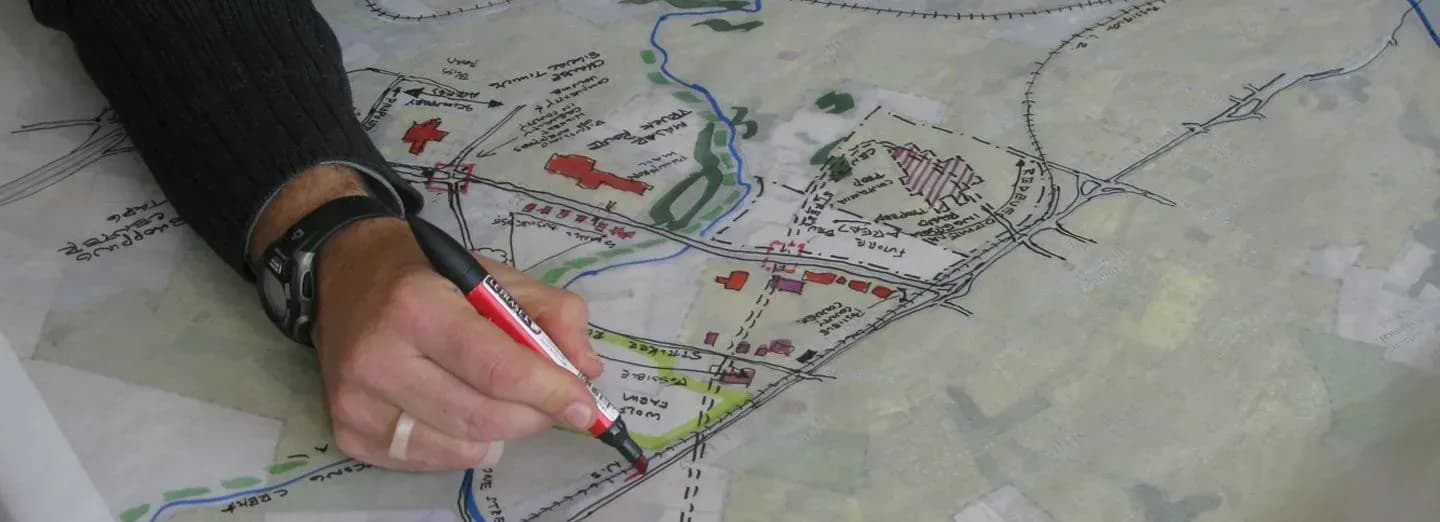
Land use planning is a complex process that requires the participation of many stakeholders and needs to be carried out according to a specific process. The steps in this process include assessing the current land situation, determining land use needs, planning land allocation, and implementing monitoring and evaluation. Each step plays an important role in ensuring efficient and sustainable land use. This article will guide you through each step in the land use planning process, helping you better understand how to manage and develop land resources.
First, a comprehensive assessment of the current land use situation, including both natural and social factors, is required. This helps to better understand the current situation and identify issues that need to be addressed.
Next, it is necessary to analyze future land use needs based on factors such as population growth, economic development, and environmental protection requirements.
Based on the results of the assessment and analysis, the authorities will draw up a detailed plan for land use for different purposes. This plan needs to be clear, specific, and highly feasible.
Finally, the land use planning plan will be implemented, accompanied by management and monitoring measures to ensure that the set objectives are properly and effectively implemented.
Land use planning helps to create a solid foundation for economic development. It ensures that land areas are allocated appropriately for different economic activities such as industry, commerce, agriculture, and services. This not only helps to optimize the use of land resources but also attracts investment, creates jobs, and increases people's income.
One of the important purposes of land use planning is to protect natural resources and maintain ecological balance. Clearly defining protected areas, forests, water resources and agricultural lands helps prevent indiscriminate exploitation of land and minimize negative impacts on the environment. Land use planning also plays an important role in preventing and mitigating the impacts of climate change.
Land use planning helps to strike a balance between urban and rural development. It guides urban expansion in a rational manner, avoids uncontrolled urbanization, and at the same time ensures that rural areas are also developed sustainably. This helps to improve the quality of life of people and reduce the disparity between urban and rural areas.
Land use planning is the basis for competent authorities to effectively manage and monitor land use. It helps to clearly define land use purposes, thereby minimizing conflicts of interest and preventing illegal land use. Information from land use planning also supports the process of granting land use right certificates and resolving land-related disputes.
Clear land use planning helps guide investors and authorities in implementing infrastructure development projects. It ensures that investment projects are implemented in the right location and according to the plan, thereby optimizing investment efficiency and avoiding waste of resources.
Land use planning plays an important role in protecting agricultural land and ensuring food security. It clearly identifies agricultural land areas that need to be protected and developed, thereby supporting sustainable agricultural development policies and ensuring food supply for the community.
Land use planning also includes identifying areas vulnerable to natural disasters such as floods, earthquakes, and landslides. This helps authorities plan for effective prevention and response to natural disasters, thereby minimizing human and property losses.
The ultimate goal of land use planning is to improve the quality of life of the people. Reasonable and sustainable land use not only helps to create a healthy living environment but also ensures that infrastructure and public services are fully and synchronously developed.
Log in to leave a comment. Log in
Be the first to comment.
React to this story
Curate
Sign in to curate


