
Club author
Clubs · Nov 26, 2024 · 4 min read
Save
Share
Keep reading
authenticated by

Clubs · Nov 26, 2024 · 4 min read
Save
Share
Keep reading
iGuide Stories
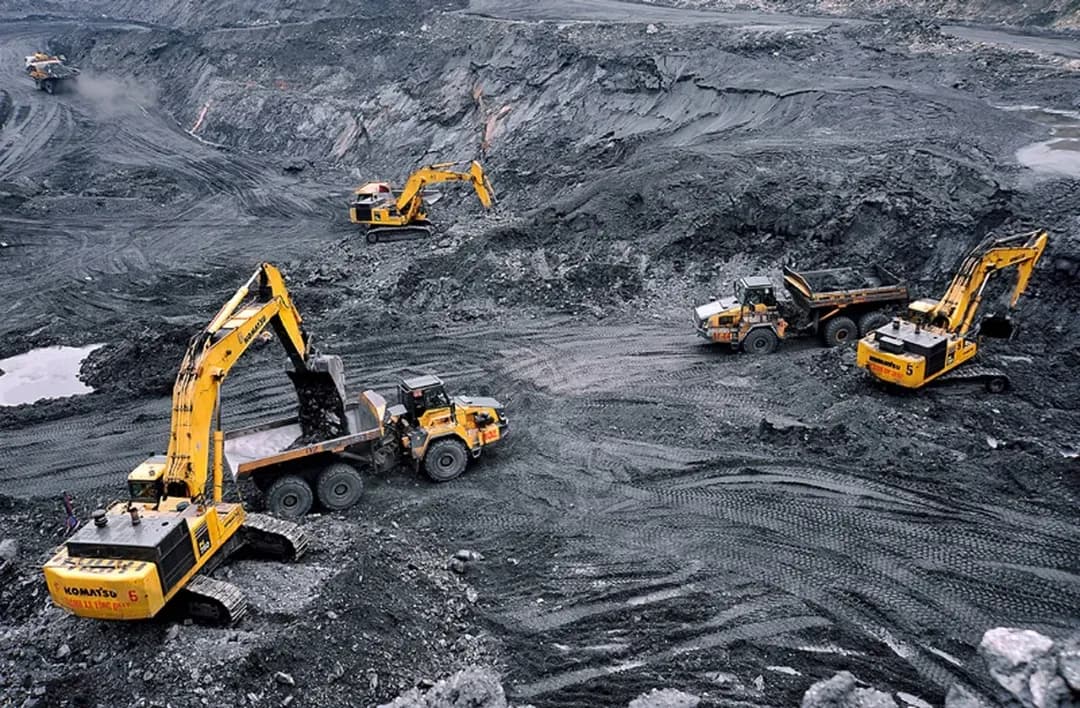
Resource management in Vietnam today faces numerous challenges, including over-exploitation and environmental pollution. The government has implemented various policies to protect and sustainably use natural resources, from land, water, to minerals. These measures aim not only to protect the environment but also to support sustainable economic development, ensuring resources for future generations. Raising public awareness and enhancing international cooperation are also crucial elements in this effort.
Natural resources (hereinafter referred to as resources) are contained in environmental components, exist in natural form, regardless of human will. Resources are indispensable components, exploited and used to serve the life and development of human society. Therefore, for each country and nation, natural resources are a particularly important source of assets, resources, and natural capital to build and develop the country.
Resource management must aim to ensure the following requirements: 1- An increasingly complete and comprehensive understanding of the potential, reserves and value of natural resources; 2- Promote and balance natural resources for socio-economic development; 3- Ensuring reasonable, effective and sustainable exploitation and use of resources; 4- Protect, restore and develop renewable resources. The content, methods, and measures of resource management depend largely on natural conditions, types of resources, growth models, characteristics, and level of socio-economic development. In today's world, resources have become a scarce resource and are the subject of fierce dispute in many parts of the world, especially non-renewable resources. That context poses increasingly greater requirements and challenges for resource management in our country.
Vietnam has a natural area of about 331,698km2, a coastline of more than 3,260km, and is ranked at medium scale, ranking 59th out of 200 countries and territories in the world. However, due to the large population (more than 90 million people, ranked 13th in the world), the average natural area per capita is very low (about 0.38 hectares), only 1/5 of the world average. boundary (1.96 hectares). Vietnam has a diversity of geology, topography, and mineral resources that are relatively rich in types, some of which have large reserves and resource potential that can be developed into industries, such as oil and gas. , bauxite, titanium, coal, rare earth...; Large renewable energy potential, especially wind, solar, geothermal, and biomass energy. Although the total amount of surface water (about 830 billion m3/year) and underground water (about 63 billion m3/year) is quite large, due to the narrow terrain and many areas sloping to the sea, more than 60% of the surface water originates from from abroad, so regional and seasonal water shortages still occur, sometimes severe. Stretching across many latitudes, from humid tropical to subtropical, with many high mountainous areas, Vietnam has many forest ecosystems with diversity and richness of animal and plant species. With a sea area under sovereignty, sovereign rights and jurisdiction of over 1 million square kilometers, Vietnam is truly a maritime country with many diverse and abundant resources, especially aquatic resources, with great potential. position to develop traffic, seaports, tourism...
Aware of the importance of natural resources to the development and prosperity of the country, for many years, our Party and State have paid attention to resource management. The platform for building the country during the transition period to socialism and the documents of the Party Congresses all mentioned the issue of resource management, especially land and minerals. The Central Government has also issued a number of resolutions specializing in resource groups, including Resolution No. 24-NQ/TW, dated June 3, 2013, of the XI Central Executive Committee on Proactively responding to climate change. Climate change, strengthening resource management and environmental protection have comprehensively oriented resource management to 2020 and a vision to 2050. The state organizational system for resource management is formed synchronously from central to local levels. The State has also allocated capital from the budget, issued many mechanisms to mobilize capital in society to invest in resource management, especially basic investigation, inventory, statistics and evaluation. resources. Guidelines, policies and laws on resource management are constantly being innovated and improved, meeting the requirements of the development process, industrialization and modernization of the country. Mechanisms, tools, and measures for resource management have also undergone positive changes, especially the mechanism for accessing resources. Supply and demand relationships, pricing, auction, and bidding mechanisms have initially been formed, creating changes in resource management to be more consistent with socialist-oriented market economic institutions.
Land, minerals, water sources, forests, and aquatic resources have been investigated, evaluated, planned, and balanced to serve the purposes and requirements of socio-economic development in each period and stage. develop. Revenue from natural resources makes an important contribution to the State's annual budget. Production and business activities related to resource exploitation and use have created jobs and income for a large number of people across the country. The exploitation and use of resources has changed in a more reasonable, effective and sustainable direction. Attention is paid to the issue of protection, recovery, and regeneration of natural resources; Investment in the development of alternative sources of raw materials and fuels has received attention.
Log in to leave a comment. Log in
Be the first to comment.
Curate
Sign in to curate
React to this story


