
Club author
Clubs · Nov 20, 2024 · 1 min read
Save
Share
Keep reading
authenticated by

Clubs · Nov 20, 2024 · 1 min read
Save
Share
Keep reading
iGuide Stories
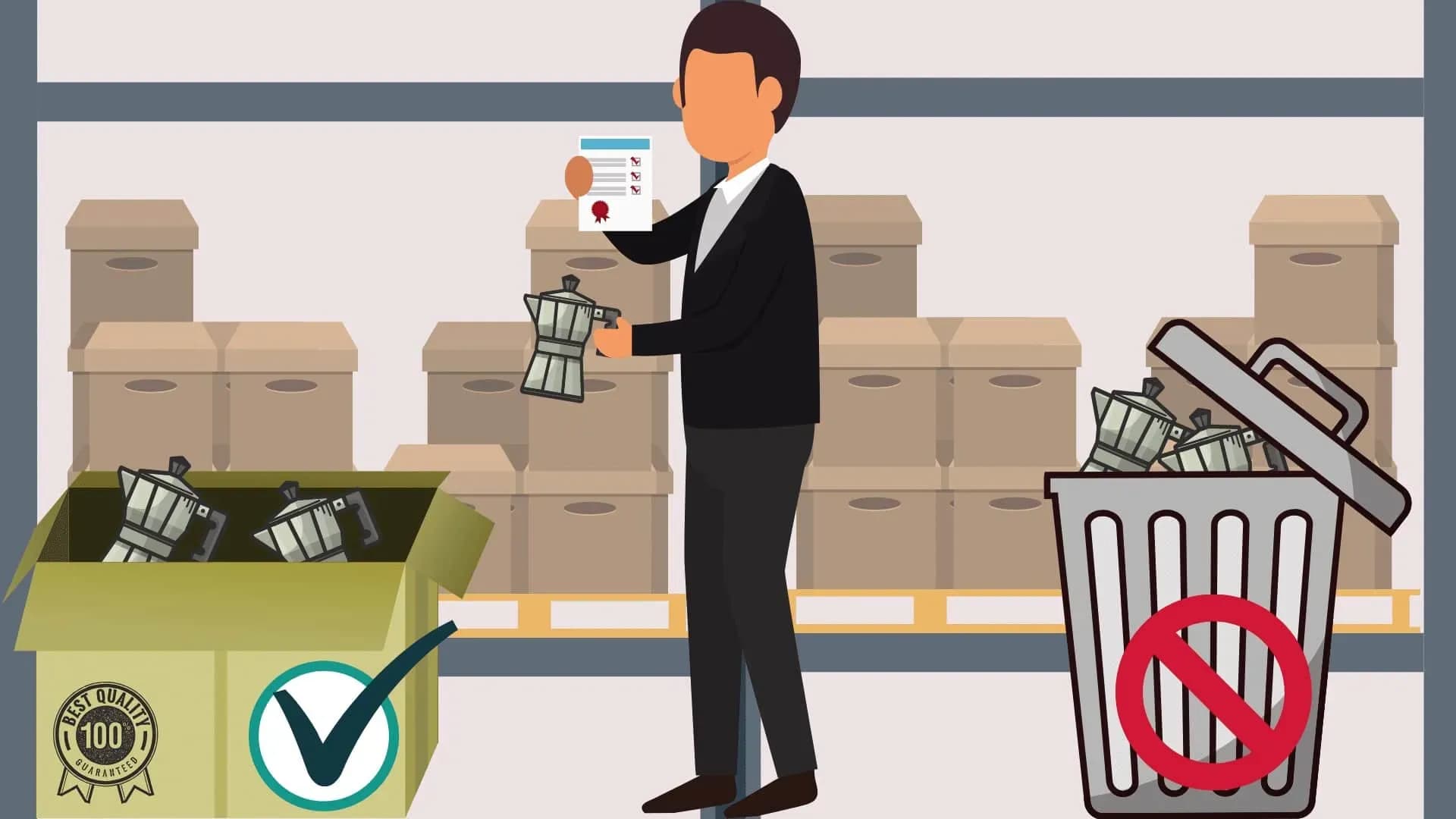
This article provides detailed information on the process that authorities follow when poor quality goods are detected. We will explore the steps from inspection, recall to penalties, ensuring consumer safety and maintaining fairness in the market.
Based on subsection 6, Section V Joint Circular 10/2000/TTLT-BTM-BTC-BCA-BKHCNMT, there are regulations on inspection and handling of counterfeit goods as follows:
“6- Handling counterfeit goods:
6.1- Re-export from the territory of Vietnam for imported counterfeit and poor quality goods undergoing Customs procedures according to decisions of competent authorities.
6.2- Organize destruction according to current State regulations:
- Goods and items that have no use value.
- Goods that do not ensure the minimum quality level cause harm to production or the lives and health of people, animals, plants, and the environment.
- Types of decals, stamps, product labels, brand samples, product packaging, invoices, documents, money, and publications are determined to be fake.
6.3- Circulation must comply with the following conditions:
- The goods have use value, but the infringing elements on the goods (violation labels, packaging...) must be removed and widely notified to consumers.
- Processing and reprocessing goods to ensure legality when circulated or used as raw materials.
Thus, according to the above regulations, when detecting fake goods, the competent authority will handle them as follows:
- Re-export from Vietnamese territory for imported counterfeit and poor quality goods undergoing customs procedures according to decisions of competent authorities
- Organize destruction according to current State regulations.
Log in to leave a comment. Log in
Be the first to comment.
Curate
Sign in to curate
React to this story


