
Club author
Clubs · Nov 26, 2024 · 4 min read
Save
Share
Keep reading
authenticated by

Clubs · Nov 26, 2024 · 4 min read
Save
Share
Keep reading
iGuide Stories
The natural resource governance index is a crucial tool for assessing the effectiveness of managing and protecting natural resources. This index helps determine the sustainability level in resource use, thereby suggesting improvements and sustainable development measures. It also provides essential information for policymakers and communities about resource status and issues to address. Transparency and community involvement are key factors in enhancing this index.
Natural resource governance index is a "number representing fluctuations", criteria used to identify, measure, evaluate the level and rank the effectiveness of a country or a certain subject. in the process of managing this resource. Specific indicators on natural resource governance are open, they are researched, supplemented and released in stages, based on not entirely the same analytical approaches and documents.
In the current period, basic indicators commonly used in reports assessing the country's natural resource management capacity focus on four criteria, which are: legal system; level of information transparency; inspection, monitoring and overall environmental capabilities.
This is a fundamental index; It establishes the legal basis for administrative activities. The legal system is considered comprehensively, both in terms of content and enforcement mechanism, regulating issues related to natural resource management.
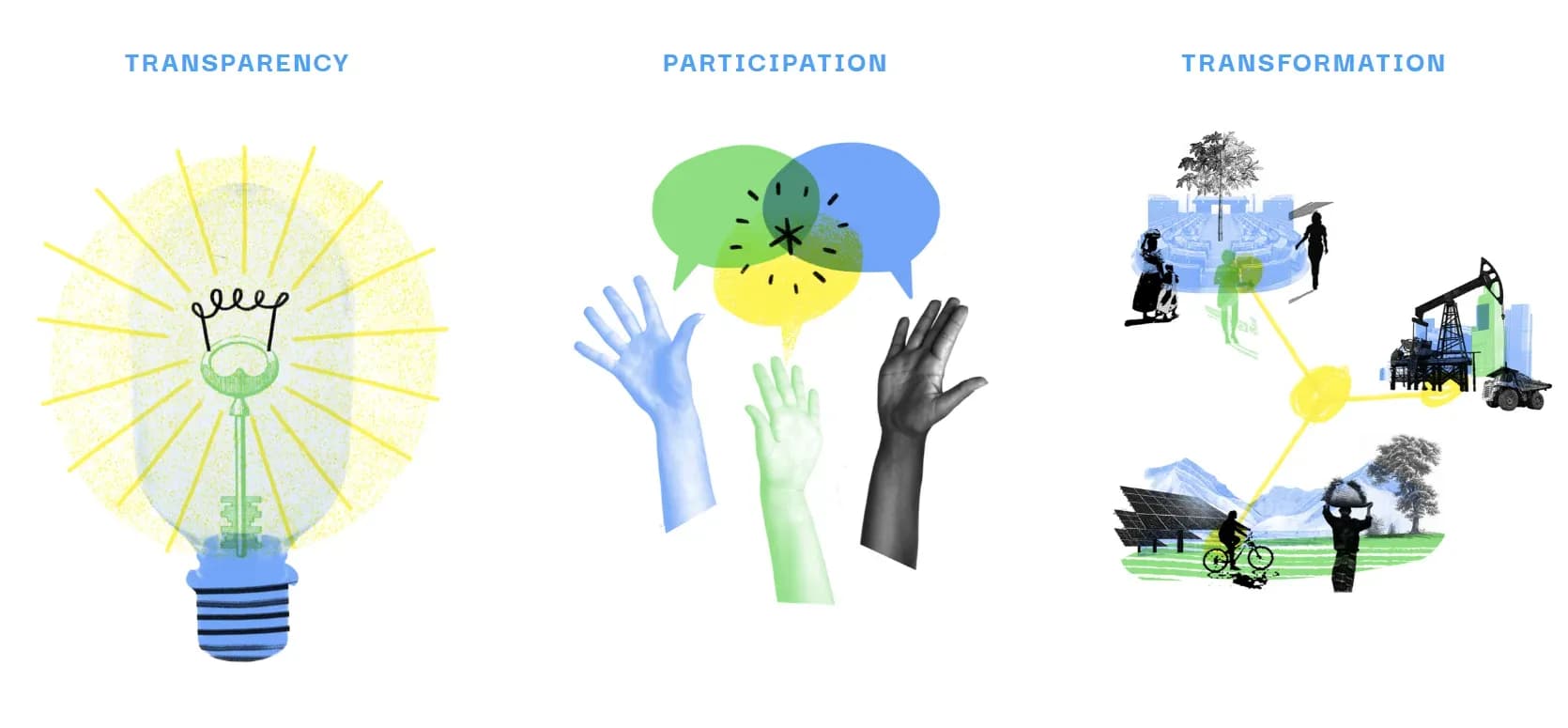
The level of information transparency ensures the democratic nature of society, is an important solution to overcome corruption, and demonstrates the people's rights and mechanisms to absorb wisdom in participating in state financial governance. natural raw material.
This index is calculated based on the method and effectiveness of the State as well as the practical mechanism of implementing people's supervision rights in the process of managing the exploitation, use, regeneration and protection of natural resources. of the State.
The overall environment is a general index, measured based on the correlation between the quality of natural resources obtained from the management process with other environmental indicators. This index is also the actual result of the above indicators when the State performs administrative functions.
In the process of natural resource management, there have also been sets of indicators on natural resource management that have been researched and published. A typical example is the set of natural resource management indicators researched by the Center for International Scientific Information Network (CIESIN) at Columbia University. This set of indexes was launched in 2006 with 4 indexes calculated by CIESIN based on data from international sources, which are:
This index, developed by CIESIN, evaluates whether a country protects at least 10% of its total habitats (e.g. deserts, forests, grasslands, aquatic life and tundra). The Ecoregion Protection Index is designed to capture the comprehensiveness of a government's commitment to habitat conservation and biodiversity protection. The basis for this index is provided by the World Wildlife Fund and the World Monitoring Center of the United Nations Environment Program.
This index measures the percentage of the population with access to facilities that separate human waste from animal and insect contact, calculated from data from the World Health Organization and the Children's Fund. United Nations.
This index measures the percentage of the population that has access to at least 20 liters of water per person per day from "improved" sources (household connections, public standard pipes, boreholes, protected dug wells). , protected streams and stormwater collections) within 1 km of the user's residence. Data for the index are calculated from data from the World Health Organization and the United Nations Children's Fund.
This index is calculated using data from the Population Division of the United Nations Department of Economic and Social Affairs, the 2006-2008 NRMI release used the number of deaths per 1000 children aged 1 to 4 years (m x 1- 4)). In 2009, thanks to the direction of the Population Division, this index was changed to determine the likelihood of death from 1 to 5 years old (4q1), which is closely related to mx (1-4). Since the causes of death in children 1-4 years old are strongly influenced by environmental causes, this index is considered a useful guide to underlying environmental conditions.[3].
The natural resource management index plays an important role in model selection, as well as assessing the level of State activity in implementing State policies, plans, and goals on resource management. natural raw material.
Log in to leave a comment. Log in
Be the first to comment.
React to this story
Curate
Sign in to curate


