
Club author
Clubs · Nov 10, 2024 · 2 min read
Save
Share
Keep reading
authenticated by

Clubs · Nov 10, 2024 · 2 min read
Save
Share
Keep reading
iGuide Stories
This article will help you understand the legal conditions necessary for foreigners to inherit wills in Vietnam. We will provide detailed information on the regulations, procedures, and things to note to ensure that inheritance rights are legally and effectively implemented.
Based on Article 3 of the Land Law 2013 stipulating that foreigners or Vietnamese residing abroad are not eligible to purchase residential houses attached to land use rights in Vietnam
In cases where all heirs have land use rights, ownership of residential houses, and other assets attached to land are foreigners or Vietnamese residing abroad who are not eligible to purchase residential houses attached to land use rights in Vietnam as stipulated in Article 1 of the Land Law 2013:
Therefore, foreigners entitled to inheritance will not be issued a Certificate of land use rights, ownership of residential houses, and other assets attached to land but can transfer or be gifted the inheritance land use rights.
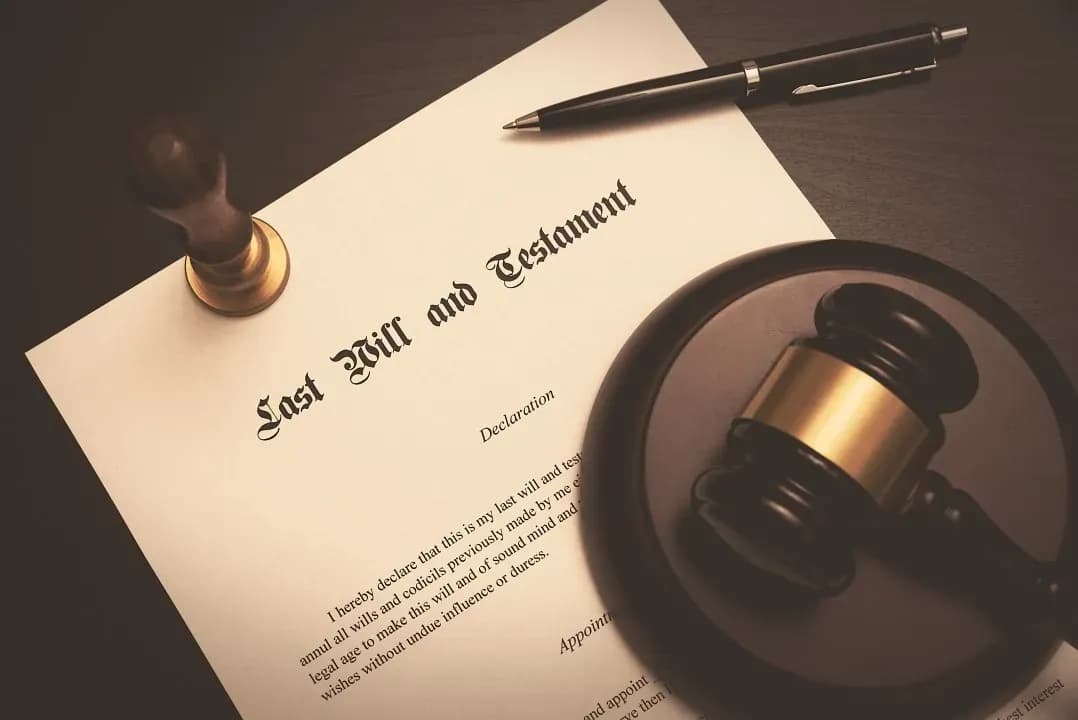
Based on Article 630 of the Civil Code 2015 stipulating legal wills as follows:
- A legal will must meet the following conditions:
+ The testator must be rational and clear when making the will; not be deceived, threatened, or coerced;
+ The content of the will must not violate the prohibitions of the law, contravene social ethics; the form of the will must not violate legal provisions.
- Wills of individuals aged fifteen to not yet eighteen must be made in writing and must be agreed upon by the father, mother, or guardian.
- Wills of individuals physically or mentally limited or illiterate must be made in writing and certified or notarized by witnesses.
- An unwitnessed written will is considered legal if it meets the conditions stipulated in Article 1 of Article 630 Civil Code 2015.
- An oral will is considered legal if the testator expresses their final intent in front of at least two witnesses, and immediately after the oral will, the witnesses record it, sign or make a mark.
Within 5 working days from the date the testator expresses their final intent, the will must be notarized by a notary public or authorized agency to confirm the signature or mark of the witnesses.
Log in to leave a comment. Log in
Be the first to comment.
Curate
Sign in to curate
React to this story


