
Club author
Clubs · Dec 17, 2024 · 3 min read
Save
Share
Keep reading
Clubs · Dec 17, 2024 · 3 min read
Save
Share
Keep reading
iGuide Stories
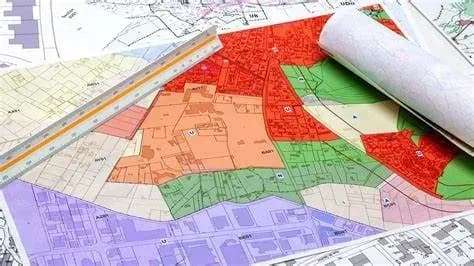
Land use planning and land use planning are two important concepts in land management, but are often confused. Land use planning is the process of determining the long-term goals and directions of land use, to ensure sustainable development and balance between different needs. Meanwhile, land use planning is the concretization of planning, including the steps of implementation and land allocation in each short-term period. This article will help you clearly distinguish between these two concepts and understand their roles in land management.
Distinguish between land use planning and land use plan
Although closely related, land use planning and land use planning have the following fundamental differences:
Criteria | Land use planning | Land use plan |
Legal basis | Clause 2, Article 3 of the 2013 Land Law; Clause 1, Article 36 of the Law amending Laws related to planning, Clause 1, Article 36 of the Law amending Laws related to planning. | Clause 3, Article 3 of the 2013 Land Law; Clause 3, Article 3 of the 2013 Land Law; Clause 2, Article 36, Clause 2, Article 37 of the Law amending Laws related to planning. |
Classify | Land use planning includes: · National land use planning; · District land use planning; · Defense land use planning; · Security land use planning. | Land use plan includes: · National land use plan; Provincial land use plan; · District land use plan; · Defense land use plan; · Security land use plan. |
Duration | - Land use planning period is 10 years. - The vision of national land use planning is from 30 to 50 years and the district level is from 20 to 30 years. | - The period of national land use plans, provincial land use plans, national defense land use plans and security land use plans is: 05 years; - District-level land use plans are prepared annually. |
Principle of establishment | - National land use planning must ensure the specificity and connectivity of regions; district-level land use planning must reflect the land use content of commune level; - Strictly protect land for rice cultivation, protective forest land, and special-use forest land; - Ensure a balance between land use needs of sectors, fields, localities and the country's capacity and land fund to use land economically and effectively; - Rational exploitation of natural resources; adaptation to climate change; - The content of land allocation and use in national sectoral planning, regional planning, and provincial planning must ensure consistency with national land use planning. | In accordance with strategies and plans for socio-economic development, national defense and security; - The land use plan must be consistent with the land use plan of the same level approved by the competent state agency; for the provincial land use plan, it must be consistent with the land allocation and zoning plan in the provincial planning; - Use land economically and effectively; - Rational exploitation of natural resources and environmental protection; adaptation to climate change; - Protect and restore historical and cultural relics and scenic spots; |
- The plans of sectors, fields and localities that use land must be consistent with the land use planning and plans decided and approved by competent state agencies.
Log in to leave a comment. Log in
Be the first to comment.
React to this story
Curate
Sign in to curate


