
Club author
Clubs · Dec 9, 2024 · 6 min read
Save
Share
Keep reading
authenticated by

Clubs · Dec 9, 2024 · 6 min read
Save
Share
Keep reading
iGuide Stories
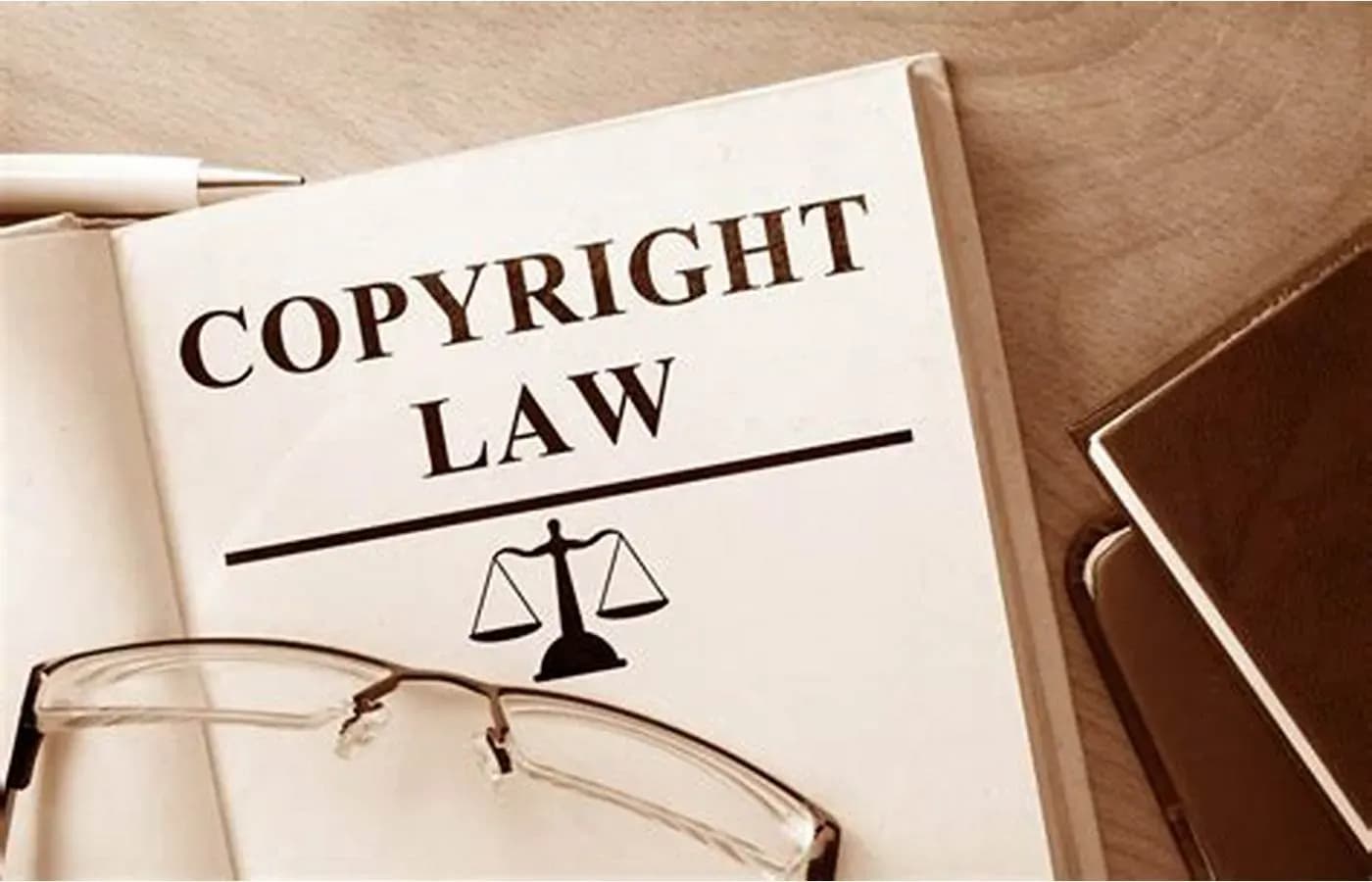
This article provides important notes to know when registering copyright. Understanding these notes will help you to carry out the registration process correctly and protect the legal rights of your work, avoiding unnecessary mistakes.
The author is the person who directly creates part or all of a literary, artistic and scientific work, including 04 (four) subjects: based on (Article 8 of Decree No. 100/2006/ND-CP dated September 21, 2006 of the Government detailing and guiding the implementation of a number of articles of the Civil Code, the Law on Intellectual Property on copyright and related rights (Decree No. 100/2006/ND-CP).
Copyright owners are organizations or individuals who hold one, some or all of the property rights as prescribed by law. Copyright owners include 04 (four) subjects: based on (Article 27 of Decree No. 100/2006/ND-CP dated September 21, 2006 of the Government detailing and guiding the implementation of a number of articles of the Civil Code, the Law on Intellectual Property on copyright and related rights (Decree No. 100/2006/ND-CP).
Thus, the author can only be an individual, not an organization.
The author may or may not be the copyright owner.
Cases where the author is not the copyright owner are:
Copyright owner is the author: The author of a work is also recognized as the owner of that work if the author uses his time, finance, and technical facilities to create the work without having to perform according to the assignment or contract. In this case, all personal rights and property rights derived from the work will belong to the author.
Copyright owners are co-authors: 1- Co-authors who use their time, finance, and material and technical facilities to jointly create a work have the same rights stipulated in Articles 19 and 20 of the Law on Intellectual Property for that work. 2- Co-authors who create a work stipulated in Clause 1 (above), if there is a separate part that can be separated and used independently without prejudice to the parts of other co-authors, have the rights stipulated in Articles 19 and 20 of the Law on Intellectual Property for that separate part.
The copyright owner is the organization or individual that assigns the task to the author or enters into a contract with the author: 1- The organization that assigns the task of creating a work to the author who is a member of its organization is the owner of the rights specified in Article 20 and Clause 3, Article 19 of the Law on Intellectual Property, unless otherwise agreed. 2- The organization or individual that enters into a contract with the author to create a work is the owner of the rights specified in Article 20 and Clause 3, Article 19 of the Law on Intellectual Property, unless otherwise agreed.
The copyright owner is the heir: The organization or individual who inherits the copyright according to the provisions of the law on inheritance is the owner of the rights specified in Article 20 and Clause 3, Article 19 of the Law on Intellectual Property.
The copyright owner is the person to whom the rights are transferred: The organization or individual to whom one, some or all of the rights specified in Article 20 and Clause 3, Article 19 of the Law on Intellectual Property are transferred according to the agreement in the contract is the copyright owner.
The State is the owner of the following works:
Anonymous works, except in cases where the Organization or individual managing the anonymous work enjoys the rights of the owner until the identity of the author is determined.
The work is still within the protection period but the owner dies without an heir, the heir refuses to receive the inheritance or is not entitled to the inheritance;
The work is transferred ownership by the owner to the State.
The copyright owner can be an individual or an organization. The copyright owner may or may not be the author. The copyright owner who is also the author has personal rights and property rights.
The author is not at the same time the owner of copyright, who has moral rights and part of the property rights. The owner of copyright, who is not at the same time the author, has property rights and part of the personal rights.
The author is the person holding the personal rights as prescribed by law, including: naming the work; having his/her real name or pen name on the work; having his/her real name or pen name mentioned when the work is published or used; publishing the work or allowing others to publish the work; protecting the integrity of the work, not allowing others to edit, cut or distort the work in any form that harms the honor and reputation of the author.
In addition, the author is also the copyright owner, they are also entitled to use property rights according to the law. The author can transfer the right to publish the work to another individual according to the law.
The copyright owner holds one, some or all of the following property rights: to make derivative works; to perform the work in public; to copy the work; to distribute or import the original or copies of the work; to communicate the work to the public by wire, wireless, electronic information network or any other technical means; to rent the original or copies of the cinematographic work or computer program.
In addition, if the copyright owner is the author, they are also entitled to use personal rights according to the provisions of law. The copyright owner also has the right to publish the work or allow others to publish the work if the author transfers the rights.
Log in to leave a comment. Log in
Be the first to comment.
Curate
Sign in to curate
React to this story


