
Club author
Clubs · Nov 26, 2024 · 2 min read
Save
Share
Keep reading
authenticated by

Clubs · Nov 26, 2024 · 2 min read
Save
Share
Keep reading
iGuide Stories
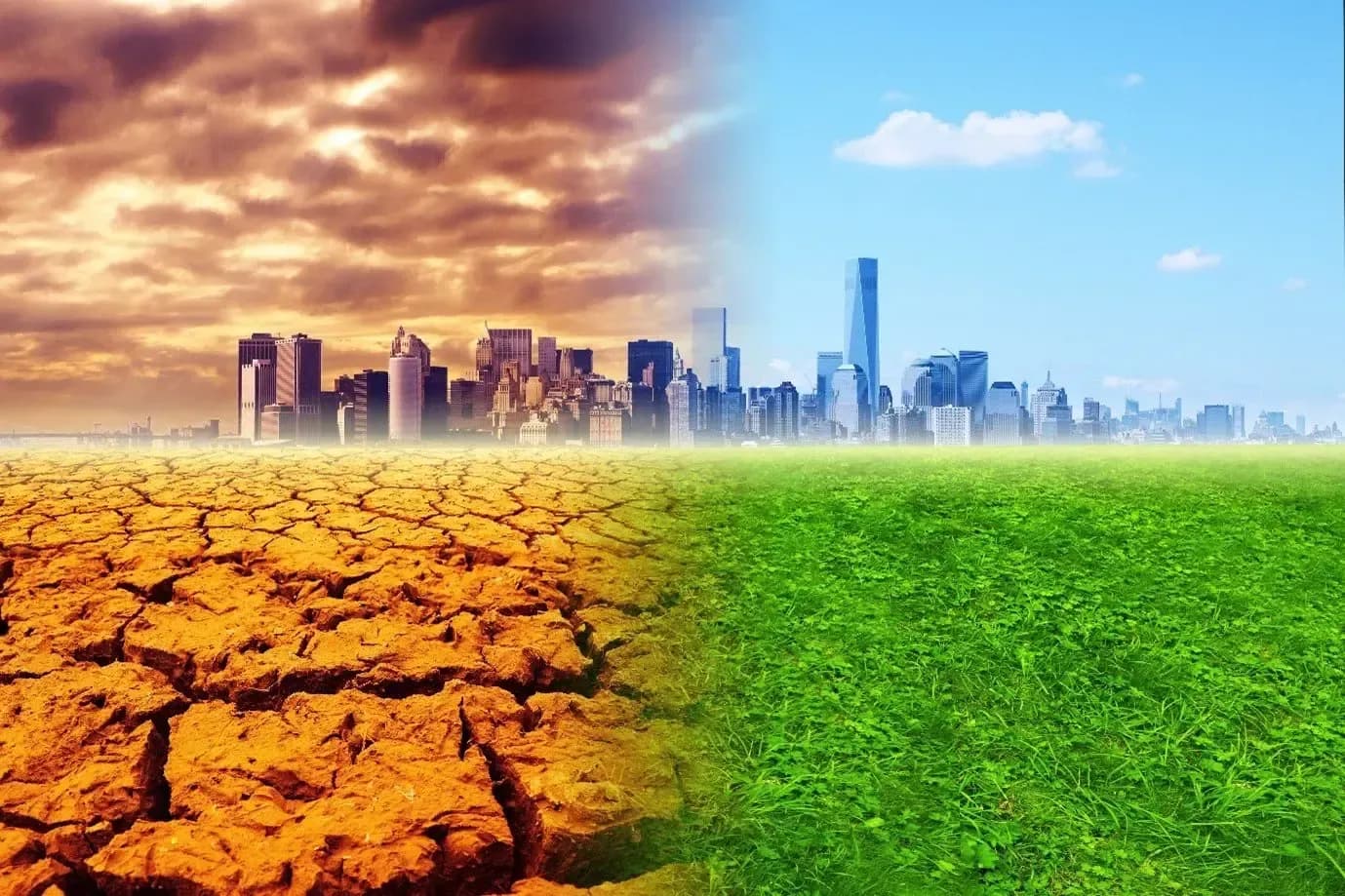
Assessing the impacts of climate change is a crucial process to understand its effects on the environment, economy, and society. The assessment content includes analyzing extreme weather events, changes in biodiversity, impacts on human health, and effects on economic sectors like agriculture and industry. This helps in formulating effective adaptation and mitigation solutions.
According to Article 6 of Circular 01/2022/TT-BTNMT Regulations on the content of climate change impact assessment include:
- Assess the impact of climate change on natural systems, including land resources, water resources, mineral resources, forest resources, biodiversity, sea and island resources and other natural resources. other environmental factors;
- Assess the impact of climate change on the economic system, including production, business, services, and infrastructure in the fields of agriculture, forestry, transportation, construction and urban areas, industry, energy, information and communications, tourism, trade and services, and other related activities;
- Assess the impact of climate change on the social system, including population distribution, housing and living conditions, medical services, health, culture, education, vulnerable subjects, gender and poverty reduction.
According to Article 33 of the 2015 Law on Hydrometeorology Regulations on the content of climate change monitoring are as follows:
- Build, manage and exploit climate change monitoring stations and climate change monitoring databases.
- Collect hydrometeorological information and data observed at the national hydrometeorological station network, specialized hydrometeorological station network and related information and data.
- Develop a set of national climate standards.
- Analyze, evaluate and monitor manifestations of climate change.
- Assess the impact of climate change on natural disasters, resources, environment, ecosystems, living conditions, socio-economic activities and inter-sectoral, inter-regional and inter-sectoral issues; Evaluate solutions to adapt and mitigate climate change for socio-economic development.
- National climate assessment.
- Develop climate change scenarios.
Log in to leave a comment. Log in
Be the first to comment.
Curate
Sign in to curate
React to this story


