
Club author
Clubs · Nov 7, 2024 · 5 min read
Save
Share
Keep reading
authenticated by

Clubs · Nov 7, 2024 · 5 min read
Save
Share
Keep reading

iGuide Stories
During the divorce process, obtaining custody of children is one of the most complex and sensitive issues. In Vietnam, parents need to understand the legal conditions as well as their rights and responsibilities to ensure the best interests of their children.
Based on Article 81 of the Law on Marriage and Family 2014, the care, nurturing, and education of children after divorce are regulated as follows:
- After divorce, parents still have the right and obligation to care for, nurture, and educate minor children, children who have lost their civil act capacity or are unable to work and do not have the property to support themselves according to the provisions of the Law on Marriage and Family 2014, the Civil Code and other related laws.
- The husband and wife agree on who will directly care for the child, the responsibilities, and rights of each party after divorce; in case of disagreement, the Court will decide to award custody to one party based on the child's best interests; if the child is 7 years or older, their wishes must be considered.
- Children under 36 months are entrusted to the mother for direct care, except when the mother is not capable of caring for the child directly or the parents have a different agreement that is in the best interest of the child.
According to the above regulations, a parent who wants to obtain custody of the child after divorce must meet the following conditions:
- Agree on who will directly care for the child, the responsibilities, and rights of each party after divorce;
- If no agreement can be reached, they must prove that they can ensure the child's best interests in all aspects:
+ Physical conditions such as: food, shelter, living conditions, educational conditions...
Parties may submit salary statements, documents proving their income, other financial sources, and how they will care for the child after divorce...
+ Mental conditions such as: Time to care, educate; the care provided, affection shown to the child from the past to present; conditions for the child's entertainment, personality, ethics, educational level... by the parents.
Note: Except for children under 36 months who must be directly cared for by the mother, and children 7 years or older who have the desire to choose someone to directly care for them.
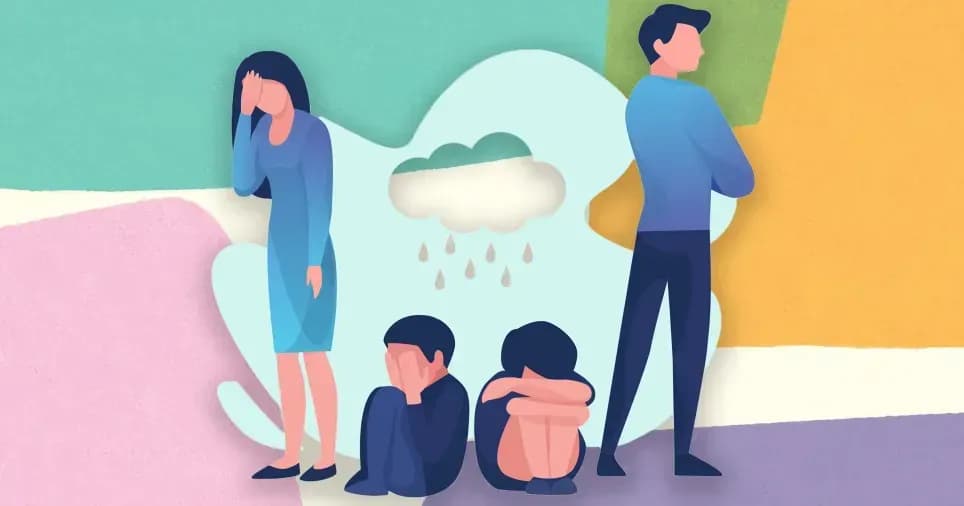
According to Article 84 of the Law on Marriage and Family 2014, changing the person directly caring for the child after divorce is regulated as follows:
- In cases where the father, mother or any authorized individual or organization requests, the Court may decide to change the person directly caring for the child.
- Changing the person directly caring for the child is resolved when one of the following grounds exists:
+ Parents agree to change the person directly caring for the child in the child's best interest;
+ The person directly caring for the child is no longer capable of caring for the child directly.
- Changing the person directly caring for the child must take into account the wishes of the child who is 7 years or older.
- If both parents are found to be unfit to care for the child directly, the Court will decide to assign a guardian for the child according to the provisions of the Civil Code.
- In cases where the current caregiver is found to be incapable of caring for the child directly, based on the child's best interests, individuals, agencies, organizations have the right to request a change in the person directly caring for the child:
+ Relatives;
+ State management agencies on family;

Article 82 of the Law on Marriage and Family 2014 stipulates the obligations, rights of parents who do not directly care for the child after divorce as follows:
- Parents who do not directly care for the child have an obligation to respect the child's right to live with the person who is directly caring for them.
- Parents who do not directly care for the child have an obligation to provide support for the child.
- After divorce, a parent who does not directly care for the child has the right, obligation to visit the child without interference.
Parents who do not directly care for the child cannot abuse the visitation rights to interfere with or negatively affect the care, nurture, upbringing, and education of the child, then the person directly caring for the child has the right to request the court to restrict their visitation rights.
According to Article 83 of the Law on Marriage and Family 2014, parents who directly care for the child have the right to request the non-guardian parent to fulfill the obligations as regulated in Article 82 of the Law on Marriage and Family 2014; request the non-guardian parent and their family members to respect their right to care for the child.
At the same time, parents who directly care for the child and their family members are not allowed to prevent the non-guardian parent from visiting, caring for, nurturing, and educating the child.
+ Women's Union.
Therefore, after a parent has been directly caring for the child after divorce, but there is evidence that they are no longer capable of caring for the child or have made a different agreement, it is still possible to change the person directly caring for the child.
Log in to leave a comment. Log in
Be the first to comment.
Curate
Sign in to curate
React to this story


