
Club author
Clubs · Nov 10, 2024 · 4 min read
Save
Share
Keep reading
authenticated by

Clubs · Nov 10, 2024 · 4 min read
Save
Share
Keep reading
iGuide Stories
This article will guide you on how to effectively evaluate asset management for businesses. Effective asset management not only helps optimize operations but also increases profits and minimizes risks. We will provide detailed evaluation methods and criteria to help you improve asset management strategy and achieve sustainable development.
Evaluating effective asset management is an important process that helps businesses ensure their assets are used most efficiently, reduce risks, and create maximum value for the organization. Below are important criteria for evaluating effective asset management:
One of the most important criteria for evaluating effective asset management is the ability to generate growth and profitability. This process includes evaluating return on investment (ROI), profit margins, and other financial indicators.The goal of every business is to generate sustainable profit and growth from their assets, and effective evaluation in this area helps businesses adjust investment strategies and maximize returns.3. Asset Utilization Optimization
Asset utilization optimization is another important criterion for evaluating effective asset management. It involves ensuring that assets are used optimally, without waste or loss. This task includes evaluating asset performance, utilization rates, operating times, and cost optimization. By managing and using assets intelligently, businesses can save costs and increase operational efficiency.
Risk management is an important part of evaluating effective asset management. Evaluating and managing risks related to assets helps businesses identify potential issues and take measures to minimize or eliminate them. This may include protective measures, insurance, risk management, and contingency plans in the event of incidents. Effective risk management helps businesses prevent losses and unwanted damage to their assets.5. Asset Protection and MaintenanceAsset protection and maintenance involve implementing regular maintenance measures to ensure that assets are maintained in optimal working condition. It also ensures that assets are not damaged or lost, and continue to provide value to the organization. By protecting and maintaining assets effectively, businesses can extend their lifespan and reduce maintenance and repair costs in the future.
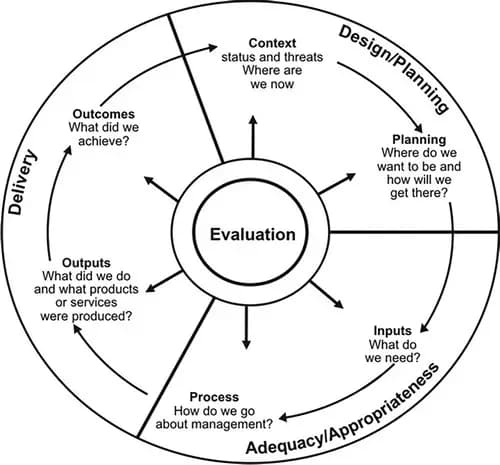
Evaluating effective asset management is an important process to ensure that an organization's assets are used and managed most effectively. Here are 3 important considerations when conducting this process:7. Setting Objectives and Evaluation ScopeBefore conducting effective asset management evaluation, it is important to clearly define the objectives and scope of this process. Objectives may include improving asset utilization efficiency, reducing maintenance costs, or enhancing asset value.
9. Cost-Benefit Evaluation
Evaluate the effective asset management of the businessExplore methods for evaluating effective asset management, helping businesses optimize operations and increase profits.
Trước khi tiến hành đánh giá hiệu quả quản lý tài sản, quan trọng phải xác định rõ mục tiêu và phạm vi của quá trình này. Mục tiêu có thể là cải thiện hiệu suất sử dụng tài sản, giảm thiểu chi phí bảo trì, hoặc tăng cường giá trị của tài sản.
Đồng thời, phạm vi đánh giá cần phải rõ ràng và toàn diện, bao gồm các loại tài sản cần đánh giá và các phòng ban, khu vực liên quan. Điều này giúp đảm bảo rằng mọi khía cạnh quan trọng đều được xem xét và đánh giá một cách toàn diện.
Sử dụng các chỉ số hiệu quả (KPIs) là một phần quan trọng của quá trình
Cần phải đánh giá cẩn thận các chi phí và lợi ích liên quan đến quản lý tài sản. Điều này bao gồm việc xem xét chi phí mua sắm, bảo trì, vận hành và khấu hao của tài sản, cũng như lợi ích mà các tài sản đem lại như tăng trưởng doanh thu, giảm thiểu lãng phí, và tạo ra giá trị mới.
Log in to leave a comment. Log in
Be the first to comment.
React to this story
Curate
Sign in to curate


