
Club author
Clubs · Dec 4, 2024 · 2 min read
Save
Share
Keep reading
authenticated by

Clubs · Dec 4, 2024 · 2 min read
Save
Share
Keep reading
iGuide Stories
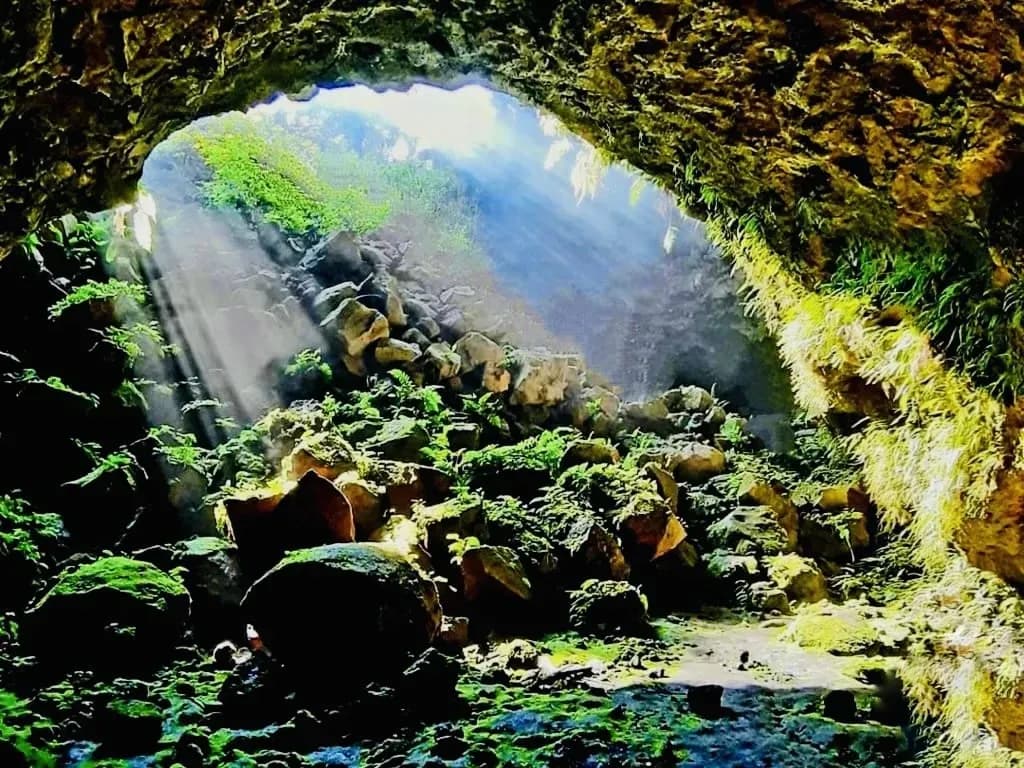
Immerse yourself in the fascinating geological heritage of Dak Nong, where the mysterious beauty of volcanic caves awaits you.
The survey trip within the framework of the 20th International Volcanic Cave Conference (ISV20) in Dak Nong took place from November 22 to 26. The results were announced by the Dak Nong UNESCO Global Geopark Management Board on November 29. After five days of research, international experts discovered several new branches with a length of about 175 m in the Krong No volcanic cave system.
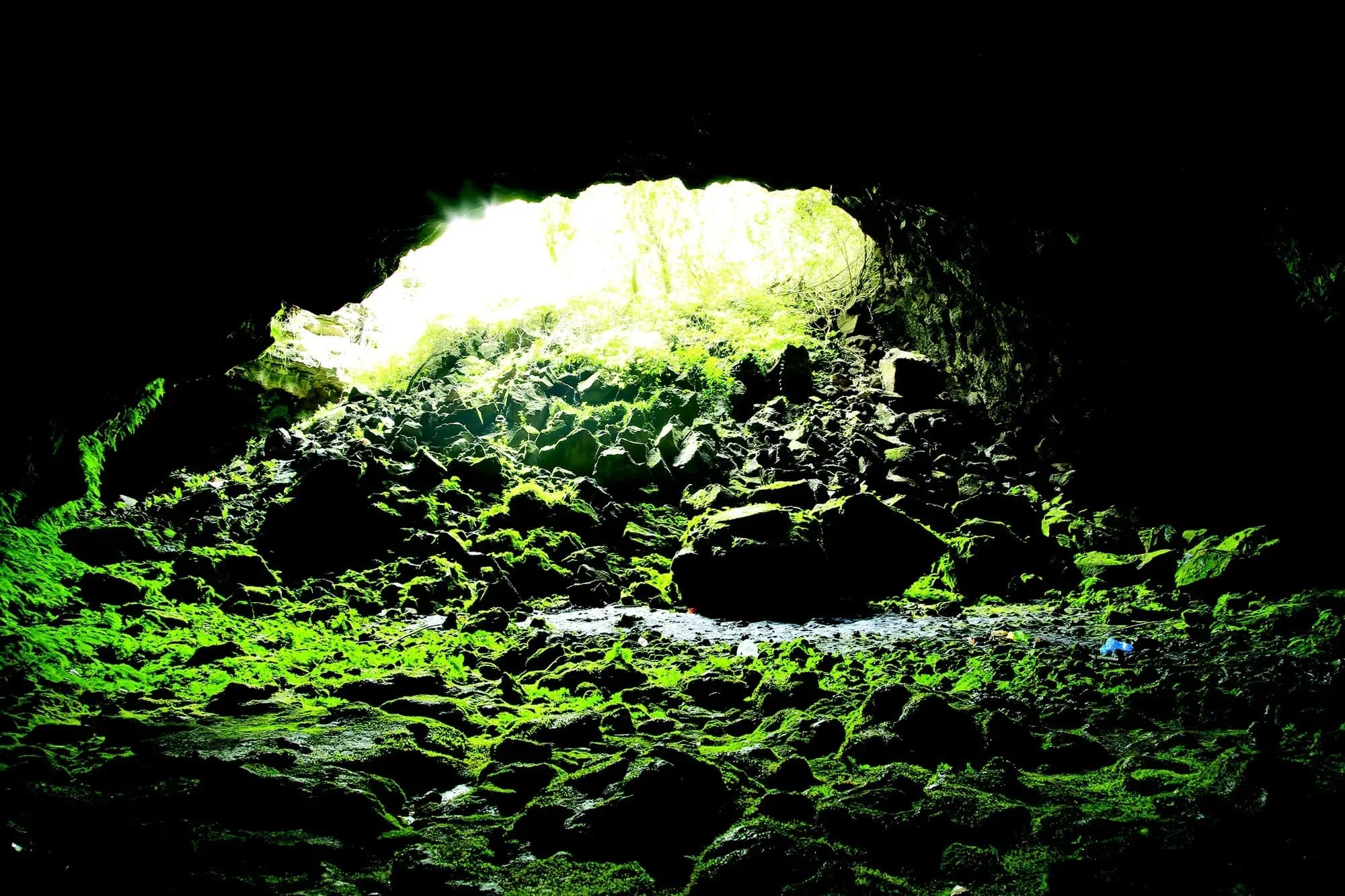
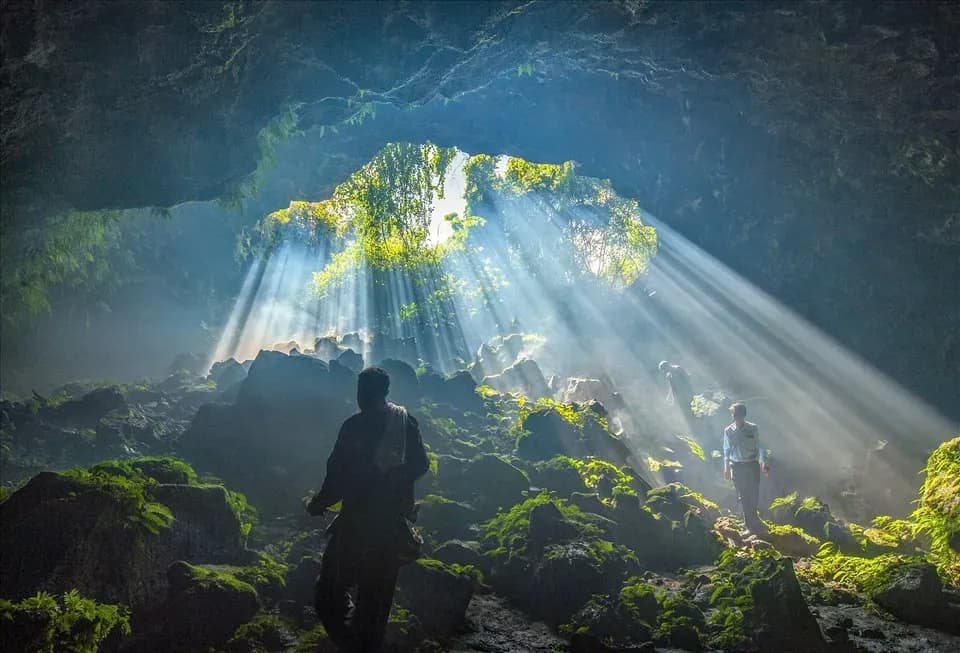
C7 Cave is one of 50 caves in the Krong No volcanic cave system. In 2014, Vietnamese and Japanese scientists announced the discovery of a 25 km long cave from the Choar volcano crater along the Serepok River to the Dray Sap waterfall area. At that time, C7 Cave was determined to be more than one kilometer long and was considered the largest volcanic cave in Southeast Asia.
Now, the discovery of an additional 175 m has increased the total length of Cave C7 to more than 1,240 m. The survey team will return to measure and create a 3D map, providing valuable scientific data for Vietnam and international geological heritage.
Krong No Cave is a cave system in basalt rock, formed from the lava eruption process. The cave has a structure typical of the eruption process such as lava ridges, lava flows, sinkholes; along with plant remains and the solidification process of basalt lava that occurred millions of years ago.
In 2018, scientists from the Vietnam Academy of Science and Technology announced a series of new discoveries related to prehistoric archaeological relics in volcanic caves at Krong No Geopark.
Traces of prehistoric human habitation, dating back to about 6,000 to 7,000 years ago, have been found. There are remains of at least 10 people, including three complete remains of two adults and a four-year-old child, along with tens of thousands of sea shells, a large number of stone relics, pottery, animal bones and teeth, and mollusk shells.
Dak Nong Geopark covers an area of 4,760 km², spanning five districts: Krong No, Cu Jut, Dak Mil, Dak Song, Dak Glong and Gia Nghia City. The park was recognized by UNESCO as a Global Geopark in 2020.
Log in to leave a comment. Log in
Be the first to comment.
Curate
Sign in to curate
React to this story


