
클럽 작가
클럽 · Nov 24, 2024 · 1분 읽기
저장
공유
Keep reading
에 의해 인증됨

클럽 · Nov 24, 2024 · 1분 읽기
저장
공유
Keep reading
iGuide Stories
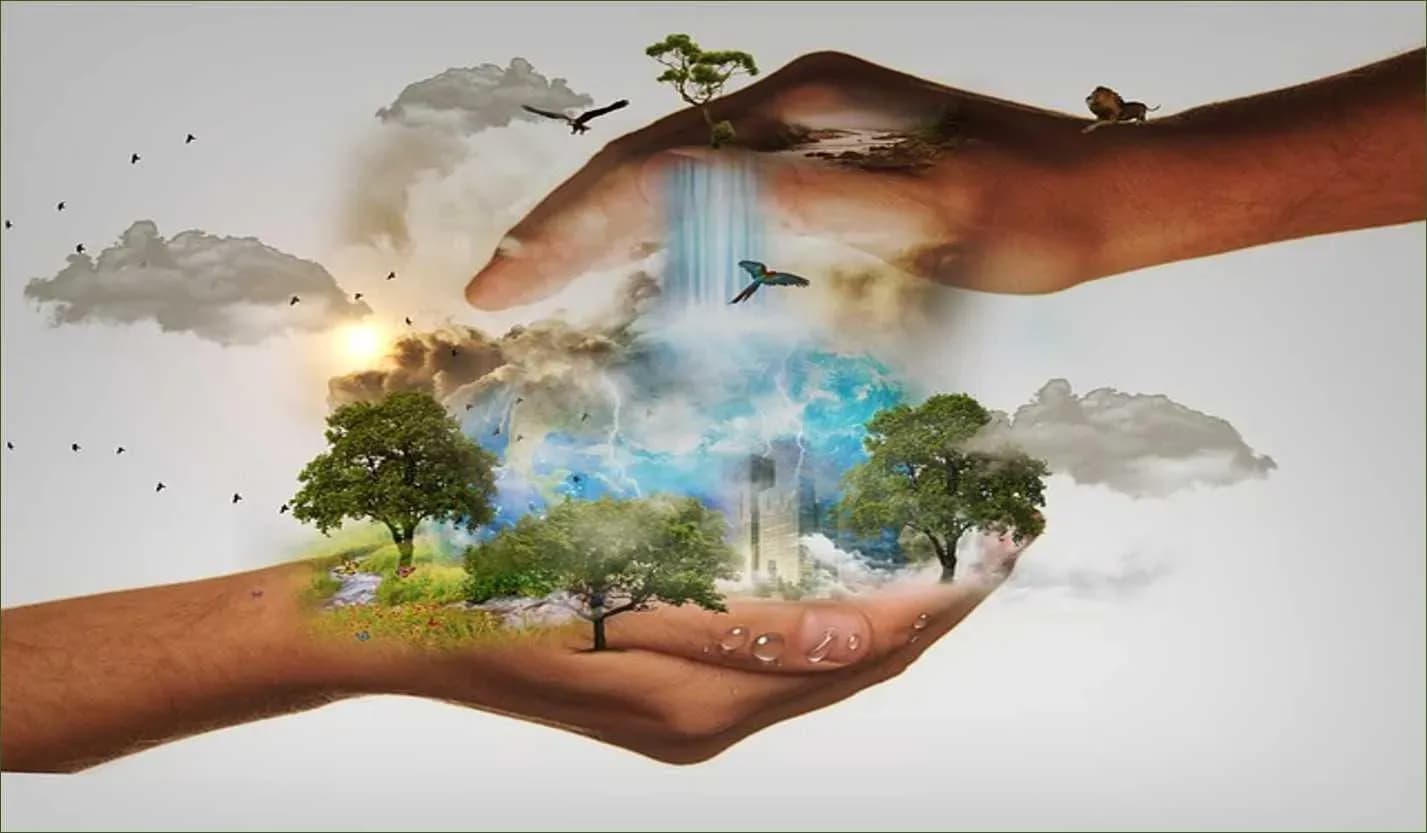
Natural resources are natural elements that humans can exploit and use for living and economic development. They include land, water, minerals, forests, and more. This article will help you understand natural resources, their importance, and how they impact sustainable development.
According to the Legal Dictionary, natural resources are explained as follows:
These are natural resources owned by the entire people and uniformly managed by the State, including land resources, water resources, mineral resources, forest resources and other resources.
Accordingly, natural resources can be understood as materials available in nature that humans can exploit, process, use, and serve human life. Natural resources can be classified according to many different criteria.
Types of natural resources include:
- Renewable resources are resources that can sustain or replenish themselves continuously when managed properly. However, if used improperly, renewable resources can be degraded beyond regeneration.
For example: water resources can be polluted, land resources can be salinized, degraded, eroded,...
- Non-renewable resources are finite resources that will be lost or changed after use.
For example, mineral resources such as oil and coal of a mine may be depleted after exploitation.
- Perpetual energy resources are clean energy sources that do not pollute the environment and are not lost when used, such as solar energy, wind energy, ocean wave energy, fusion energy, ...
(The above information is for reference only)
댓글을 남기려면 로그인하세요. 로그인
첫 번째로 댓글을 남겨 보세요.
큐레이트
로그인하여 큐레이트
이 이야기에 반응하기


